The Influence of Social Networks on Participation in Legal Number Draw Promotions
Theo Simon · Oct 4, 2026
The Influence of Social Networks on Participation in Legal Number Draw Promotions
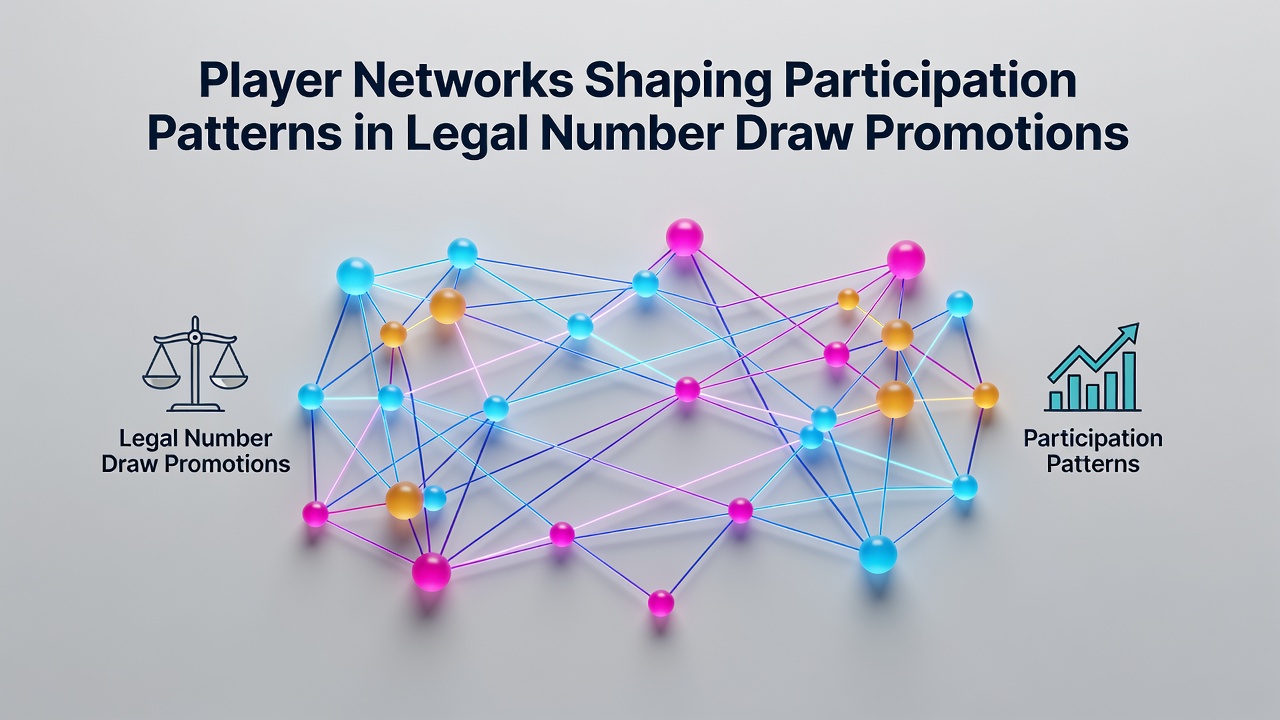
Legal number draw promotions operate under strict regulatory frameworks across multiple jurisdictions, and participation patterns often reflect the structure of social connections among eligible players rather than isolated individual decisions. Observers note that people frequently learn about upcoming draws through friends, family members, and workplace groups, which creates visible clusters of entries in specific communities and regions.
Core Mechanics of Regulated Draws
These promotions require participants to select or receive assigned numbers within defined time windows, and winners receive prizes only after verification against official results published by licensed operators. Data from state-run programs shows consistent entry volumes tied to seasonal events, yet regional variations emerge when groups coordinate submissions together. Researchers at several academic institutions have tracked how announcements shared in closed online forums lead to synchronized participation spikes that single advertisements rarely achieve on their own.
Network Structures and Entry Clustering
Studies indicate that dense social ties correlate with higher repeat participation rates because individuals receive reminders and encouragement through existing relationships. In one documented case, a workplace group in a Midwestern state coordinated entries for multiple consecutive draws, resulting in measurable increases in total submissions from that employer compared with surrounding areas lacking similar organization. Analysts examining transaction logs find that shared payment methods and common mailing addresses often appear in batches, revealing the underlying group dynamics at play.
Geographic and Demographic Patterns
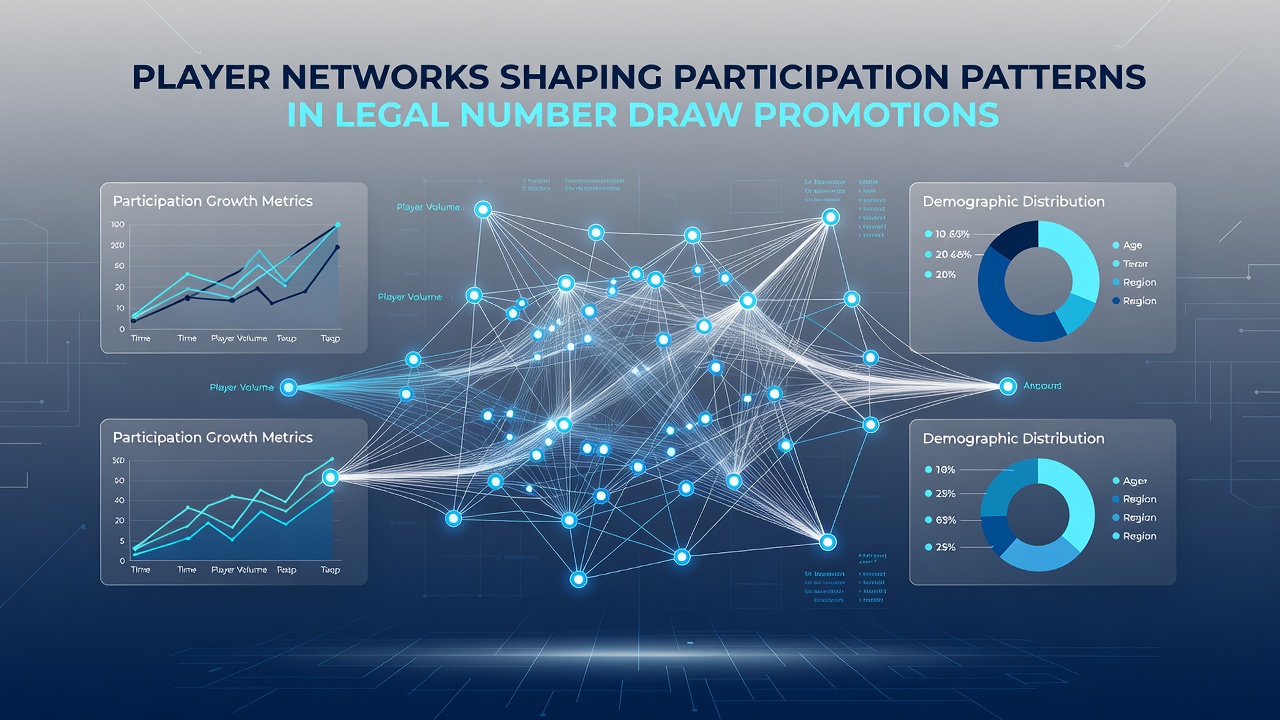
Participation data collected through October 2026 continues to highlight differences across urban and rural zones, where stronger community bonds in smaller populations produce steadier engagement levels. Figures released by the North American Association of State and Provincial Lotteries reveal that certain counties maintain above-average entry rates year after year, and investigators attribute part of this stability to intergenerational knowledge transfer within families. Younger adults, meanwhile, show elevated involvement when digital sharing platforms allow rapid distribution of draw details among peer circles.
Regulatory Oversight and Compliance Factors
Authorities in the United States, Canada, and Australia maintain separate licensing requirements that emphasize transparency in prize allocation and participant eligibility verification. These rules affect how networks can operate because promotions must avoid any appearance of coordinated advantage beyond standard group play. Compliance reports note that operators monitor for unusual patterns, yet legitimate social sharing remains permitted and often encouraged as a legitimate marketing channel.
European regulatory bodies have published guidelines requiring clear separation between promotional communications and any form of gambling inducement, which shapes the language used when networks discuss upcoming draws. Observers note that these restrictions lead participants to focus conversations on prize structures and draw schedules instead of betting terminology.
Research Findings on Influence Pathways
Academic papers examining transaction datasets demonstrate that a single active participant within a network can increase overall group entries by measurable percentages, particularly when that person shares official result notifications promptly. Longitudinal analysis covering multiple years shows these effects persist across different prize tiers, although larger jackpots amplify the visibility of network-driven surges. Data collected through October 2026 further confirms that digital communication channels accelerate the spread compared with earlier periods dominated by in-person conversations.
Conclusion
Player networks continue to shape how individuals engage with legal number draw promotions by transmitting information, coordinating entries, and sustaining involvement across repeated cycles. Regulatory frameworks in multiple regions accommodate these social patterns while enforcing rules that preserve fairness for all participants. Continued monitoring of participation data will clarify how evolving communication methods interact with established network structures in coming years.